
Pet Orthopedic Surgery In Meridianville, AL
At Magnolia Animal Hospital, we provide pet orthopedic surgery evaluations and surgical guidance for dogs and cats with painful bone, joint, and knee concerns. If your pet is limping, struggling to stand, avoiding stairs, or showing signs of a possible ACL/CCL injury or patella issue, our team is here to help you understand what is happening and what options may support a better quality of life.
Orthopedic problems can feel overwhelming because pets cannot tell us exactly where it hurts. One day your dog may be running normally, and the next they may be holding up a back leg or refusing to jump into the car. Our goal is to make the next step clearer. Dr. Murdock and our team use a thoughtful exam process, advanced diagnostics, and honest communication to determine whether surgery, medical management, follow-up care, or referral to a specialist is the right path.
How Do I Know If My Pet Needs Orthopedic Surgery?
A pet may need an orthopedic evaluation when pain, instability, or reduced mobility affects daily life. Some injuries improve with rest and medical care, while others need a more advanced treatment plan to restore comfort and function. Surgery may be considered when a pet has a torn ligament, kneecap instability, fracture, joint injury, or ongoing lameness that is not improving.
You should schedule an evaluation if you notice:
- Limping or favoring one leg
- Trouble standing after rest
- Reluctance to jump, climb stairs, or play
- Sudden yelping or pain after activity
- Swelling around a joint
- A back leg that appears weak or unstable
- A kneecap that seems to shift, pop, or slip
- A sudden change in walking, sitting, or posture
Our practice takes time to evaluate the full picture. We look at your pet’s symptoms, age, size, lifestyle, pain level, and diagnostic results before recommending a treatment plan. That means we do not jump straight to surgery unless we believe it is appropriate for your pet’s long-term comfort and mobility.
What Are The Signs My Pet Has A Torn ACL Or CCL?
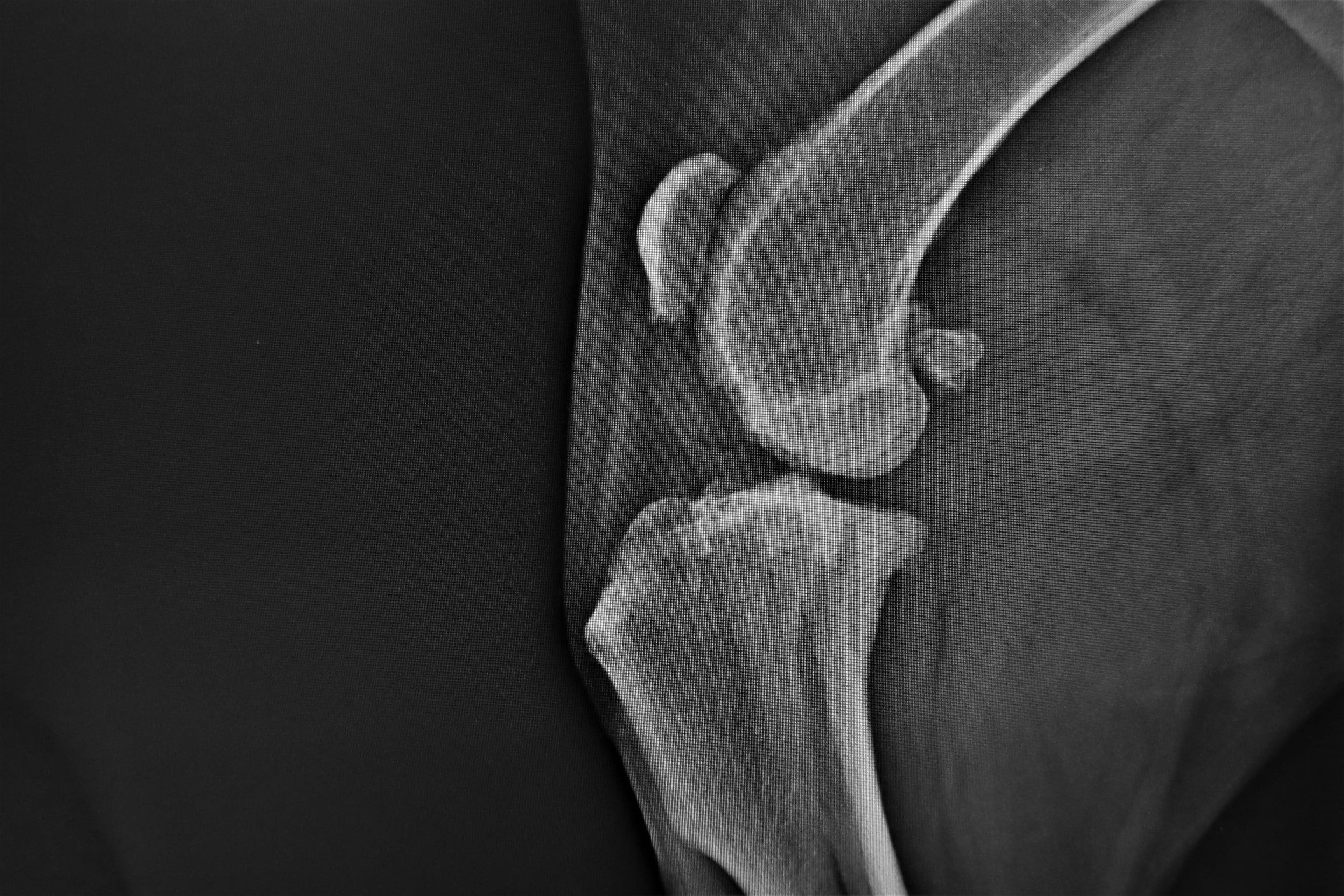
Pet owners often use the term ACL injury because it is familiar from human medicine. In dogs, veterinarians usually call this a CCL tear, which stands for cranial cruciate ligament tear. This ligament helps stabilize the knee. When it is stretched, partially torn, or fully torn, the joint can become painful and unstable.
Common signs of a torn ACL or CCL include:
- Sudden limping in a back leg
- Holding the leg up while walking
- Trouble rising from lying down
- Sitting with one leg angled out to the side
- Decreased interest in walks, play, or running
- Pain after jumping, turning quickly, or exercising
- A limp that improves with rest but returns after activity
Does My Dog Need TPLO Surgery For A Torn ACL Or CCL?
TPLO surgery may be recommended for dogs with a torn CCL because it changes the mechanics of the knee to improve stability. Instead of simply trying to replace the damaged ligament, the procedure adjusts how the joint bears weight so the knee can function more comfortably.
In some cases, an extra-capsular repair, also called a lateral suture repair, may be considered as an alternative to TPLO. This option may be appropriate for smaller dogs on an individual basis, depending on the dog’s size, joint stability, activity level, and overall orthopedic needs.
Your dog may be a candidate for TPLO if they have:
- Significant knee instability
- Ongoing pain from a torn CCL
- A larger body size or active lifestyle
- Difficulty improving with conservative care
- A high risk of continued joint damage without surgical correction
For smaller dogs, our team may also discuss whether extra-capsular repair could be a suitable treatment option based on the individual case.
What Happens If I Do Not Get TPLO Surgery For My Pet?
If a pet has a torn CCL and the knee remains unstable, the joint may continue to hurt. Over time, untreated instability can lead to reduced mobility, muscle loss, worsening arthritis, and strain on the opposite leg. Some pets adjust the way they move to avoid pain, which can create additional stress on the hips, back, or other limbs.
Possible concerns with an untreated CCL injury include:
- Continued limping or discomfort
- Progressive joint instability
- Muscle loss from reduced use of the leg
- Increased arthritis over time
- Added strain on the opposite knee
- Reduced interest in normal activity
- Lower quality of life
What Veterinary Orthopedic Surgeries Do You Provide?
Magnolia Animal Hospital provides orthopedic care for select bone and joint concerns, including evaluation and treatment planning for ACL/CCL injuries and patella problems. Some surgical procedures may be handled through our practice, while more complex cases may be referred to a specialist when that gives your pet the best chance at a strong outcome.
Our orthopedic care may include:
- TPLO surgery evaluations and surgical guidance for torn ACL/CCL injuries
- Patella repair evaluations for kneecap instability or luxating patella concerns
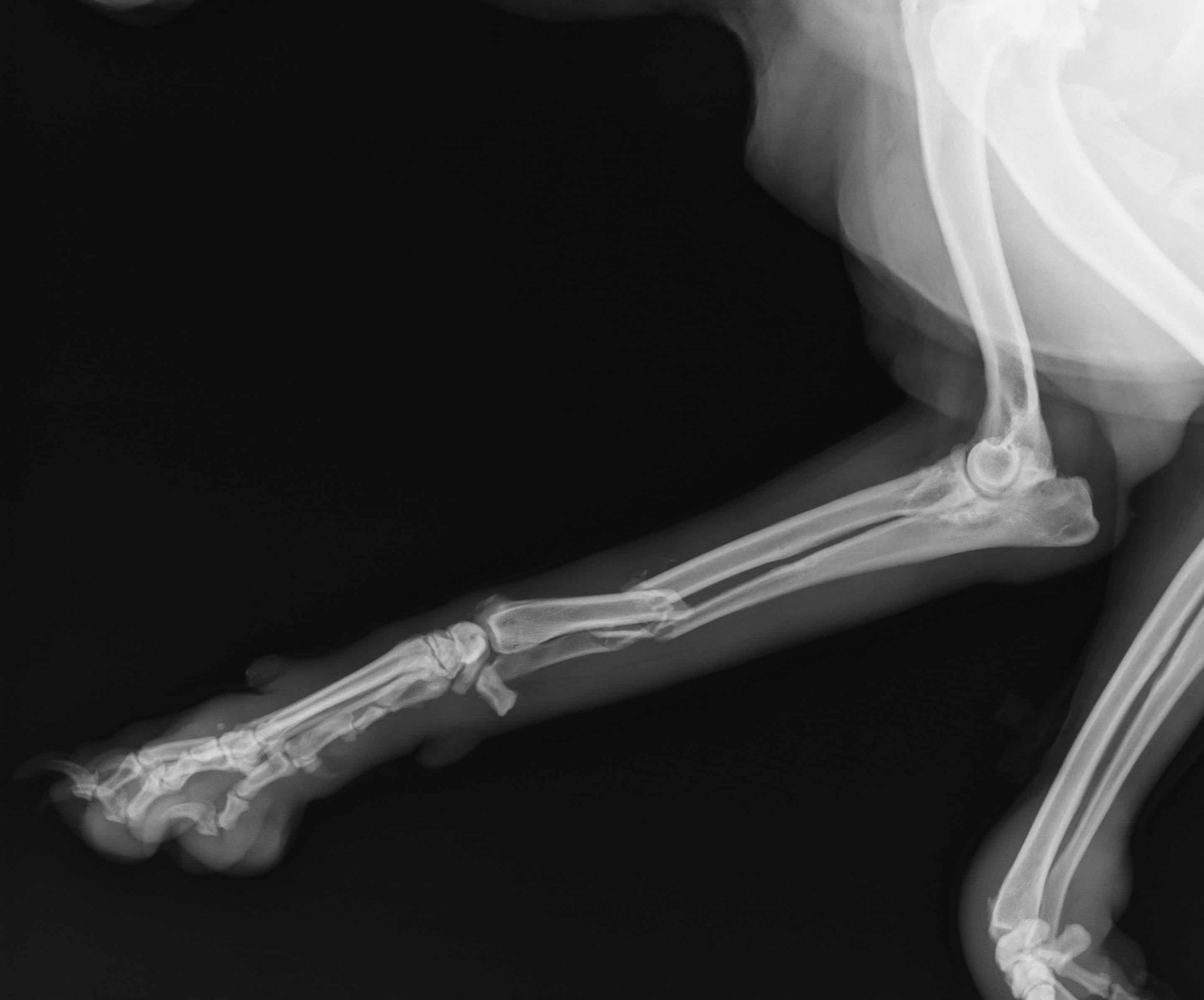
- Fracture repair for select broken bone injuries
- Orthopedic procedures for select bone and joint conditions
- Lameness evaluations for pets that are limping or favoring a leg
- Digital radiography to assess bones, joints, fractures, and surgical needs
- Pain management and follow-up care after orthopedic treatment
- Specialist referrals when advanced orthopedic care is the best choice
What Is Patella Repair For Dogs?
A luxating patella means the kneecap shifts or slips out of its normal groove. This can cause skipping, limping, stiffness, pain, or an unusual gait. Some dogs may suddenly lift a back leg for a few steps and then continue walking as if nothing happened. Others may become more consistently uncomfortable as the condition progresses.
Patella issues are often seen in smaller dogs, but any dog with signs of knee instability should be examined. In some cases, monitoring, weight management, medication, or activity changes may be appropriate. In other cases, patella repair may be recommended to improve kneecap alignment, reduce discomfort, and support better movement.
During an evaluation, our team examines the knee, discusses your pet’s symptoms, and may recommend imaging to better understand the joint. From there, we can explain whether surgical correction, conservative care, or referral is the best next step.
What Should I Expect After My Dog Has Knee Surgery?
Recovery after dog knee surgery requires patience, consistency, and a clear home care plan. The hardest part for many families is not the medication schedule or follow-up visits. It is convincing an energetic dog that rest is part of the treatment.
After knee surgery, your pet may need:
- Activity restriction
- Leash walks only during early healing
- Pain medication or anti-inflammatory medication when prescribed
- Incision monitoring
- An e-collar if recommended
- Follow-up appointments
- Gradual return to normal movement
- Clear home care instructions from our team
We walk you through what to watch for, how to support healing, and when to contact us with concerns. Our goal is to help your pet recover safely while giving you practical guidance that feels manageable at home.
What Is The Recovery Time After TPLO Surgery?
Recovery after TPLO surgery varies by dog, but most pets need several weeks of restricted activity while the bone and soft tissues heal. Follow-up visits help us monitor progress and determine when your dog can safely increase activity.
During recovery, owners should avoid allowing their dog to run, jump, roughhouse, or use stairs freely too soon. Even when a dog seems eager to move, the inside of the knee still needs time to heal. That is why controlled activity is so important.
A recovery plan may include:
- Strict rest during the early healing period
- Short leash walks for bathroom breaks
- Medication as directed
- Incision checks
- Follow-up exams
- Repeat imaging when needed
- Gradual return to activity based on healing progress
How Much Does TPLO Surgery Cost?
The cost of dog ACL surgery depends on several factors, including your pet’s size, the severity of the injury, diagnostic needs, anesthesia plan, surgical complexity, medications, follow-up care, and whether referral to a specialist is recommended.
Cost may be influenced by:
- Pre-surgical exam
- Digital X-rays
- Bloodwork
- Anesthesia
- Surgical procedure type
- Pain management
- Medications
- Follow-up visits
- Specialist involvement when needed
What Should I Expect During A Pet Orthopedic Surgery Consultation?
An orthopedic consultation helps us understand why your pet is limping, painful, or moving differently. We start by listening to what you have noticed at home because those details matter. When did the limp start? Does it get worse after activity? Is your pet still eating, playing, and acting like themselves?
A consultation may include:
- Review of symptoms and medical history
- Physical exam and orthopedic assessment
- Discussion of pain level and mobility
- Evaluation of the affected joint or limb
- Digital X-rays or other diagnostics when needed
- Review of surgical and non-surgical options
- Transparent explanation of risks, benefits, cost factors, and next steps
Why Choose Magnolia Animal Hospital For Your Pet’s Orthopedic Surgery?
Choosing a surgical team for your pet is a big decision. You want skill, honesty, and clear communication from people who understand that your pet is family. At Magnolia Animal Hospital, we combine modern medical tools with a calm, compassionate approach that helps pets and their people feel more supported.
Pet owners choose our practice because we offer:
- Care led by Dr. Bryan Murdock
- A calm, comfort-focused veterinary environment
- Honest recommendations and transparent communication
- Advanced diagnostics, including digital X-rays, ultrasound, and in-house lab testing
- Personalized care plans based on your pet’s needs
- Clear follow-up instructions after surgery
- Thoughtful referral guidance when specialty care is best
- A friendly team that treats each pet as an individual
Schedule Your Pet’s Orthopedic Surgery Consultation in Meridianville, AL
If your dog or cat is limping, struggling to stand, avoiding stairs, or showing signs of knee pain, it may be time for an orthopedic evaluation. The sooner we understand the cause of the problem, the sooner we can help you choose the right next step.
Magnolia Animal Hospital provides orthopedic surgery evaluations, diagnostics, treatment planning, and follow-up care for pets with bone, joint, and knee concerns. Contact our team today to schedule a visit and let us help your pet move with greater comfort and confidence.