
Puppy and Kitten Care in Meridianville, AL
Bringing home a new puppy or kitten is pure joy, right up until you find tiny teeth marks on the couch and realize you have no idea when the next vaccine is due. At Magnolia Animal Hospital, we guide families in Meridianville, AL through every step of new pet care, from the first vet visit to the day your little one graduates to adult checkups.
Dr. Bryan Murdock and our team build a plan around your pet, explain the reasoning behind every recommendation, and keep each visit as calm as possible. If you have a new furry family member at home, we would love to meet them.

What Does Care for a New Puppy or Kitten Include?
Care for a young pet includes a series of wellness exams, core vaccines, deworming, parasite prevention, nutrition guidance, and a plan for spaying or neutering. Most of it happens over a handful of visits between 6 and 16 weeks of age. At our office, that usually looks like:
- A head-to-tail puppy wellness exam or kitten wellness exam at each visit
- A vaccine series timed to your pet’s age and lifestyle
- Fecal testing and treatment for common intestinal parasites
- Heartworm, flea, and tick protection
- Feeding, house training, and behavior advice
- Spay and neuter timing that fits your pet’s breed and size
All of it falls under our broader wellness care for dogs and cats, just tuned for a body that is growing by the week.
When Should You Take a New Puppy or Kitten to the Vet?
Schedule your pet’s first appointment within a few days of bringing them home, ideally when they are around 6 to 8 weeks old. Even if your pet already had a vaccine, an early exam catches easy-to-miss problems like ear mites or an umbilical hernia.
After that, most young pets come back every 3 to 4 weeks until about 16 weeks old. Bring any breeder, shelter, or rescue records so we can pick up where they left off.
What Happens at Your Pet’s First Vet Visit?
Your pet’s first vet visit is a full physical exam plus a conversation about what comes next. We start slow, with treats and a little time to sniff around, then work through:
- Weight, heart, lungs, eyes, ears, mouth, skin, and coat
- A check for issues present from birth, such as hernias or heart murmurs
- A stool sample tested in our in-house lab
- Any vaccines or parasite treatments that are due
Plan on 30 to 45 minutes, and you will leave knowing exactly what is due next.
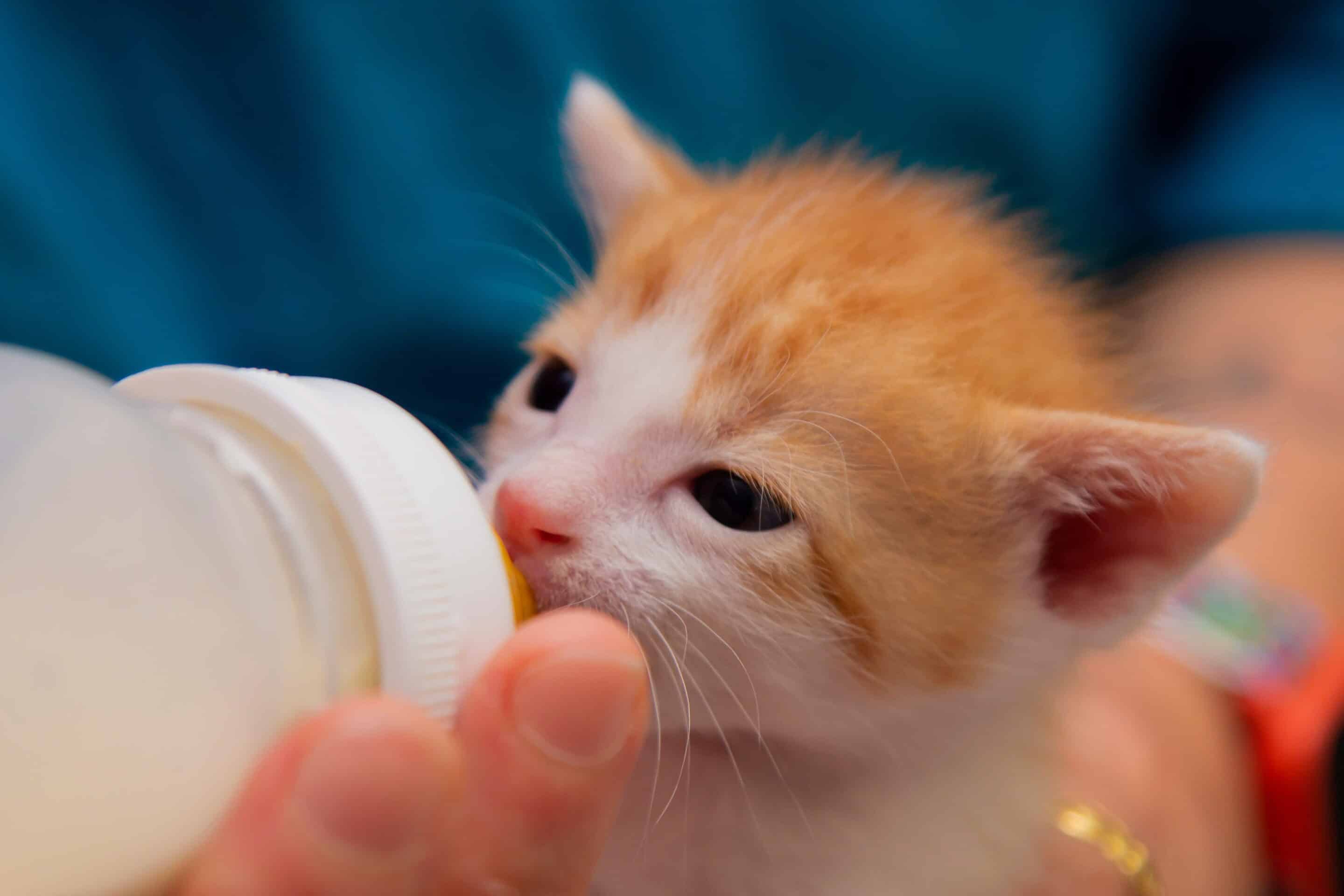
Which Vaccines Do Puppies and Kittens Need?
Puppies need core vaccines for distemper, parvovirus, adenovirus, and rabies, while kittens need core protection against feline panleukopenia, calicivirus, herpesvirus, and rabies. Kittens are also commonly vaccinated for feline leukemia. They come as a series because young immune systems need several doses to build lasting protection.
Beyond the core list, we may suggest lifestyle vaccines such as Bordetella or leptospirosis for dogs who board, visit groomers, or hike. You can read more about how core and lifestyle vaccines protect pets, and our team will explain which puppy and kitten vaccines make sense for your household instead of handing you a one-size-fits-all list.
When Should Young Pets Be Dewormed and Start Parasite Prevention?
Most puppies and kittens are dewormed starting at 2 weeks of age and every 2 weeks until about 8 weeks, then moved to monthly parasite prevention. Roundworms and hookworms are often passed from mother to baby, so even healthy-looking pets can carry them. Here is the usual game plan:
- Deworming at early visits, plus fecal testing to confirm it worked
- Heartworm prevention started by 8 weeks of age
- Flea and tick protection once your pet is old enough and large enough
- Year-round coverage, since fleas and mosquitoes rarely take a real winter break
Some of these parasites can also spread to people, which is one more good reason to stay on schedule.
What Is the Right Age to Spay or Neuter?
Most kittens are spayed or neutered around 6 months old, while the right age for dogs depends on breed and expected adult size. Small-breed puppies are often ready around 8-10 months. Large and giant breeds may benefit from waiting longer, sometimes until 12 to 14 months, because hormones play a role in healthy bone and joint development.
Dr. Murdock will talk through spay and neuter timing with you based on your pet’s size, sex, and lifestyle. When the time comes, the procedure is handled right here at our practice.
What Should You Feed a Growing Puppy or Kitten?
Feed a complete and balanced diet labeled for growth or all life stages, in portions matched to your pet’s age and expected adult size. Overfeeding can be just as harmful as underfeeding, especially for large-breed puppies. A few tips:
- Look for an AAFCO statement for growth on the bag
- Choose a large-breed puppy formula if your dog will top 50 pounds as an adult
- Split food into 3 to 4 small meals a day for very young pets
- Switch foods gradually over 7 to 10 days to avoid an upset stomach
- Skip cow’s milk, which many young pets cannot digest well
We weigh your pet at every visit and adjust portions as needed.
How Can You Help Your New Pet Feel Comfortable at the Vet?
The best way to raise a relaxed patient is to make early visits positive, with treats, gentle handling, and no rushing.
Our office was designed with that in mind, from the soft, calming colors to the custom Magnolia artwork on the walls. Low-stress vet visits also mean letting pets warm up at their own pace, and we would rather take a break than push a frightened animal through an exam. At home, leave the carrier out with a blanket inside and gently handle paws and ears so exams feel familiar.
What Warning Signs Mean Your Young Pet Needs to Be Seen Right Away?
Call us right away if your puppy or kitten is vomiting, has diarrhea, seems lethargic, or stops eating, because young pets can become dehydrated and weak within hours. Watch for:
- Repeated vomiting or bloody diarrhea
- Refusing food for more than 12 hours
- Weakness, trembling, or unusual sleepiness
- Labored breathing or pale gums
- A swollen belly or straining to use the bathroom
- Eye or nose discharge with heavy sneezing
We see urgent cases during regular office hours. After hours, head to a 24-hour emergency hospital and call us the next morning.
How Much Does First-Year Care for a Puppy or Kitten Cost?
The total cost depends on how many visits your pet needs, which vaccines and tests are recommended, and whether spay or neuter surgery happens in the first year.
You always get a clear estimate before any service, so there are no surprises at checkout. We can send records to your pet insurance provider, and we offer financing through Cherry to help spread out larger costs. You can browse the full range of veterinary services we offer to plan ahead for the year.
Why Choose Magnolia Animal Hospital for Puppy and Kitten Care
A good puppy vet or kitten vet treats the first year as the foundation for everything that follows. Here is how we do that:
- Care plans built for your pet, not a template
- Dr. Murdock’s calm, honest approach, even when the news is tough
- In-house lab testing, digital X-rays, and ultrasound when a young pet needs more than an exam
- An anxiety-reducing environment designed for nervous pets and their people
- Clear follow-ups after every visit
- Easy online booking that fits a busy schedule
Start Your New Pet Off on the Right Paw at Magnolia
Your puppy or kitten only gets one first year, and we would love to be part of it. Whether you brought home a new pet last week or you are still arguing over names, our team is ready to help families in Meridianville, AL give their newest member a healthy, happy start. Book your pet’s first appointment online or give us a call, and bring every question on your list. We have plenty of treats waiting.