
Soft Tissue and Abdominal Surgery in Meridianville, AL
When a dog swallows a sock or a cat suddenly stops eating, the difference between a scare and a crisis usually comes down to how fast a skilled surgical team gets involved. Magnolia Animal Hospital provides pet soft tissue surgery and abdominal surgery for dogs and cats at our office in Meridianville, AL, from routine wound and laceration repair to complex work inside the belly.
Dr. Bryan Murdock performs these procedures himself, backed by in-house imaging and lab testing that deliver answers in minutes instead of days. If something seems off with your pet, call us. We would rather take a look early than wait for a small problem to turn into a big one.
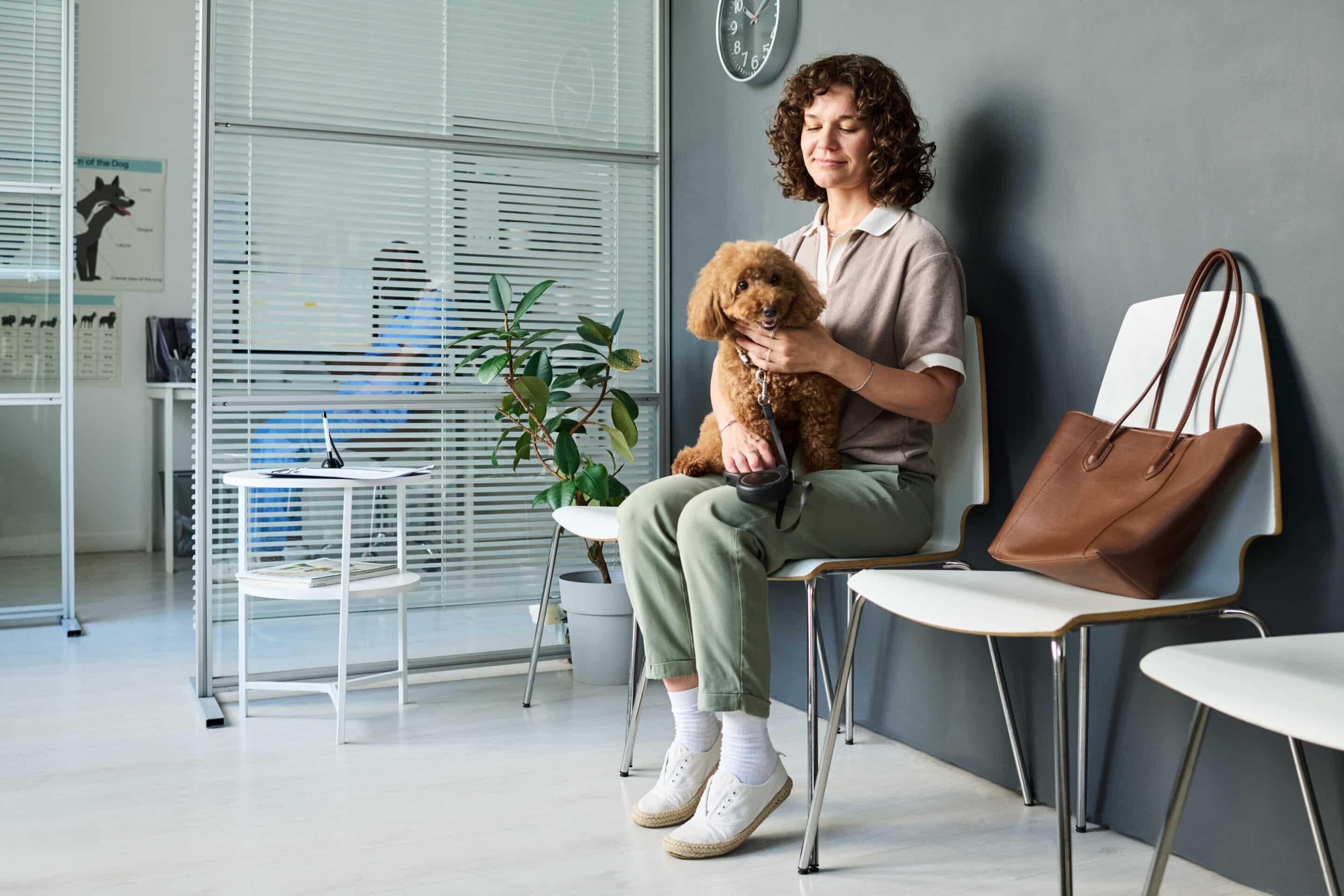
What Is Soft Tissue Surgery for Dogs and Cats?
Pet soft tissue surgery is any operation involving organs, skin, or muscle rather than bones or joints. That makes it the widest category in veterinary surgical procedures, covering everything from a routine spay to clearing an obstruction out of the intestines. Nearly all of it falls into three jobs: repairing damage, removing something that does not belong, or correcting a defect your pet was born with. Orthopedic work such as TPLO sits in its own category. Everything else belongs to the broader surgical care we provide.
Which Abdominal Procedures Does Magnolia Animal Hospital Perform?
Dr. Murdock handles the full range of common abdominal and soft tissue operations for dogs and cats in our own surgical suite. Procedures performed here include:
- Foreign body surgery to remove swallowed objects from the stomach or intestines
- Bladder stone removal, also called a cystotomy, for urinary blockages and chronic infections
- Exploratory abdominal surgery when imaging cannot explain what is wrong
- Mass and tumor removal from skin, soft tissue, or internal organs
- Hernia repair for pets, including umbilical and inguinal hernias
- Spay and neuter procedures for dogs and cats
- Laceration and bite wound repair after trauma
When Is Foreign Body Removal an Emergency?
Treat it as an emergency any time your pet swallows something and then vomits repeatedly, refuses food, or strains without producing stool. An object lodged in the intestine cuts off blood supply to the tissue around it, and that damage becomes permanent within hours. String, ribbon, and dental floss are the most dangerous of all, because the intestine keeps contracting against them and the material saws through the wall. Do not wait to see whether it passes on its own. Call our team and we will get imaging done the same day.
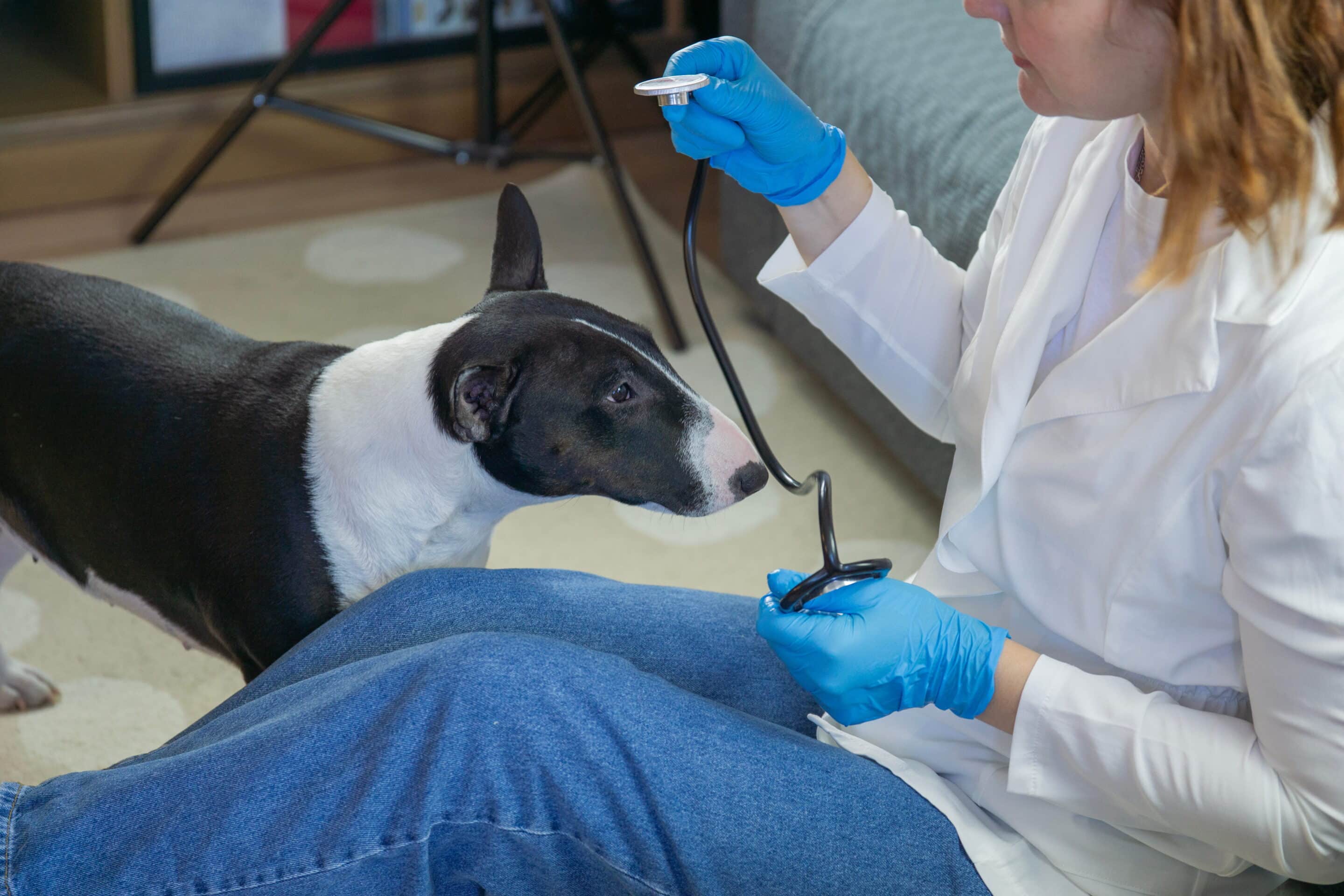
How Are Bladder Stones Treated in Pets?
Most bladder stones have to come out surgically, though a few mineral types dissolve on a prescription diet over several weeks. We start with radiographs and a urinalysis to determine size, number, and likely composition. If your pet is straining to urinate, passing blood, or cannot urinate at all, surgery moves to the front of the line, since a complete blockage becomes life threatening in a matter of hours. After removal we send the stones out for analysis so we can build a diet and monitoring plan that keeps them from returning.
What Happens During Exploratory Surgery of the Abdomen?
Exploratory abdominal surgery lets us see and sample the organs directly when bloodwork, x-rays, and ultrasound have not produced a clear answer. Dr. Murdock opens along the midline, examines each organ in sequence, and biopsies anything that looks abnormal. In many cases the problem is found and corrected during that same procedure, so your pet goes under anesthesia once instead of twice. You get a plain-language explanation of exactly what we found before you leave, including surgical photos when they help the conversation.
How Are Wounds, Lacerations, and Hernias Repaired?
Repair depends on how old the injury is and how much tissue is involved. Clean, fresh wounds get flushed, closed in layers, and are usually healed within two weeks. Older or contaminated wounds need debridement, drainage, and sometimes a staged closure over several visits. Hernia repair for pets means closing the gap in the muscle wall and returning any displaced tissue where it belongs. Umbilical hernias in puppies are often repaired during a spay or neuter, which spares your pet a second round of anesthesia and saves you a second bill.
How Should You Prepare Your Pet for an Abdominal Procedure?
Withhold food after 10 pm the night before and leave water available until morning. Past that, the preparation is on us:
- Pre-anesthetic bloodwork to confirm organ function and catch hidden risks
- A physical exam the morning of the procedure
- An IV catheter and fluids placed before internal surgery for pets begins
- Continuous monitoring of heart rate, blood pressure, oxygen, and temperature
Our protocols follow the established safety standards for veterinary anesthesia, and the drug plan is tailored to your pet’s age, weight, and health history. Bring a list of every medication and supplement your pet takes. Some of them affect clotting more than owners expect.
What Does Recovery Look Like After Internal Surgery?
Most pets go home the same day and are back to themselves within two weeks. Expect grogginess the first evening, a soft appetite for about a day, and a noticeable jump in energy by day three. Activity restriction is the part owners underestimate: no running, jumping, or stairs for ten to fourteen days, even once your pet feels ready to go. The incision needs that full window to build strength. We send you home with pain medication, written instructions, and a recheck already on the calendar.
What Warning Signs Should You Watch for While Your Pet Heals?
Call us right away if you notice any of the following:
- Redness, swelling, or discharge at the incision site
- An incision that opens, gaps, or bleeds
- Vomiting, or refusal to eat beyond the first 24 hours
- Lethargy that deepens instead of improving after day two
- Straining to urinate or have a bowel movement
- Pain the prescribed medication is not controlling
A phone call costs nothing and heads off most complications. We would far rather hear from you about something minor than find out about it three days later.
How Much Do Soft Tissue Procedures Cost?
Cost tracks the complexity of the procedure, the time under anesthesia, and the diagnostics needed beforehand, so we hand you a written estimate before anything gets scheduled. A straightforward mass and tumor removal sits at the lower end of the range. Emergency foreign body surgery with extended monitoring sits at the higher end. Pet insurance reimburses a good portion of this for covered conditions, and we provide the itemized records your provider will ask for. Financing is available for families who need to spread payments out. You will never get a surprise number after the fact.
Why Choose Magnolia Animal Hospital for Soft Tissue and Abdominal Surgery
Plenty of clinics can perform these operations. Fewer will sit down afterward and explain what they found and why it matters.
- Dr. Murdock performs every procedure personally, with focused training in surgery and internal medicine
- Digital radiography, ultrasound, and an in-house lab let diagnosis and surgery happen the same day
- A quiet, softly lit facility designed to lower anxiety before your pet ever reaches the table
- Honest recommendations, including the times we tell you surgery is not the right call
- Follow-up communication that continues well after your pet goes home
Surgery is one piece of the full range of veterinary care our team provides for dogs and cats.
Book Your Pet’s Surgical Consultation at Magnolia
If your pet is showing symptoms, or another veterinarian has recommended a procedure, we are ready to help. Our team performs soft tissue surgery in Meridianville, AL with the diagnostics, surgical skill, and straight answers your pet deserves. Request a surgical consultation online or over the phone, and we will walk you through what happens, what it costs, and what recovery looks like before you commit to anything.