
TPLO Surgery for Dogs & Cats in Meridianville, AL
Magnolia Animal Hospital knows how scary it feels to watch your dog limp across the yard or your cat hesitate before a jump. If your pet has been diagnosed with a torn cruciate ligament, or you suspect something is wrong with their back leg, TPLO surgery performed right here in Meridianville, AL can give them a real shot at running, jumping, and playing pain-free again.
Dr. Murdock and the Magnolia team handle this procedure in-house, from diagnosis through recovery, so you’re never left waiting on a referral or wondering who’s actually caring for your pet. If your dog or cat is favoring a back leg, we’d love to see them. Schedule a visit and let’s talk about what’s going on.
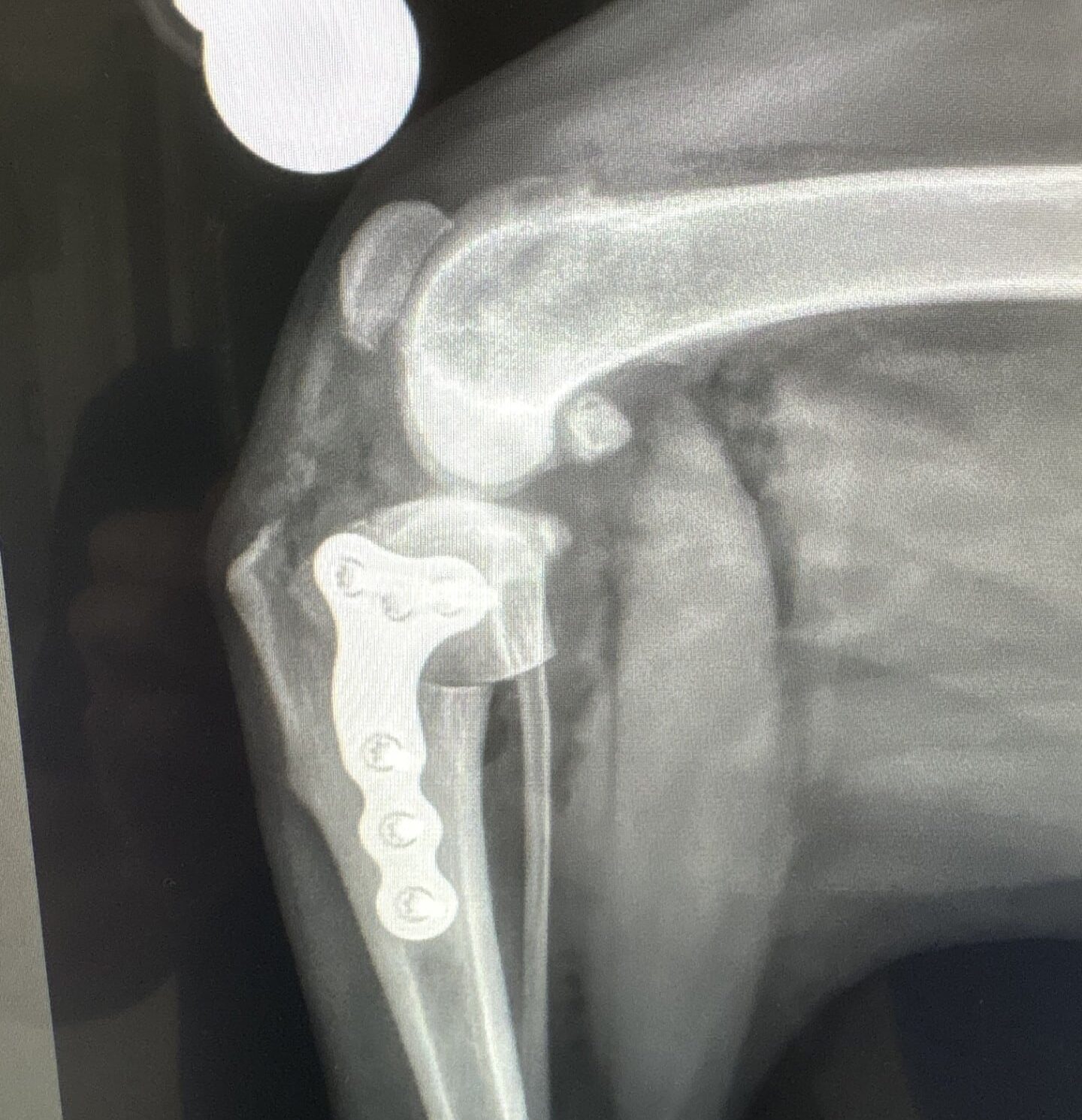
What Is TPLO Surgery, and How Does It Help Your Pet?
TPLO surgery (short for tibial plateau leveling osteotomy) is a veterinary procedure that stabilizes a dog’s or cat’s knee after a torn cruciate ligament, the same ligament people call their ACL. Instead of trying to repair the damaged ligament directly, your veterinarian reshapes the top of the shin bone and secures it in a new position with a metal plate. That new angle takes the pressure off the joint entirely, so your pet doesn’t need a working ligament to walk comfortably.
It sounds like a big step, and it is, but it’s also one of the most reliable ways to get a dog or cat back on all four feet. Most pets who go through this orthopedic procedure regain strong, stable use of the leg and avoid the kind of long-term arthritis that comes from leaving the injury untreated.
Signs Your Dog or Cat May Need Knee Surgery
Cruciate injuries don’t always announce themselves with a dramatic yelp. More often, they show up gradually, and pet owners chalk it up to “getting older” or “having a rough day.” Here’s what actually points to a ligament tear:
- Limping or favoring one back leg, especially after exercise or rest
- Difficulty rising from a lying position or trouble with stairs
- Stiffness that seems worse in the morning and loosens up later
- Reluctance to jump onto furniture or into the car
- Swelling or thickening around the knee joint
- A “clicking” or popping sound when your pet walks
If any of this sounds familiar, don’t wait it out. The longer a CCL tear goes untreated, the more damage builds up in the joint. Give us a call and let’s get your pet examined.
The Benefits of TPLO for Long-Term Joint Health
Choosing surgery isn’t just about fixing today’s limp. It’s about protecting your pet’s mobility for years to come. Here’s what this orthopedic surgery does for your dog or cat:
- Restores stability to a joint that can no longer support itself
- Slows the progression of arthritis that untreated ligament injuries almost always cause
- Speeds up return to normal activity compared to non-surgical management in active or larger pets
- Reduces long-term pain by addressing the root mechanical problem, not just the symptoms
We back all of this up with real diagnostics, not guesswork. Digital X-rays and in-house imaging let Dr. Murdock see exactly what’s happening in the joint before, during, and after treatment, so your pet’s plan is based on their actual anatomy, not a one-size-fits-all protocol.
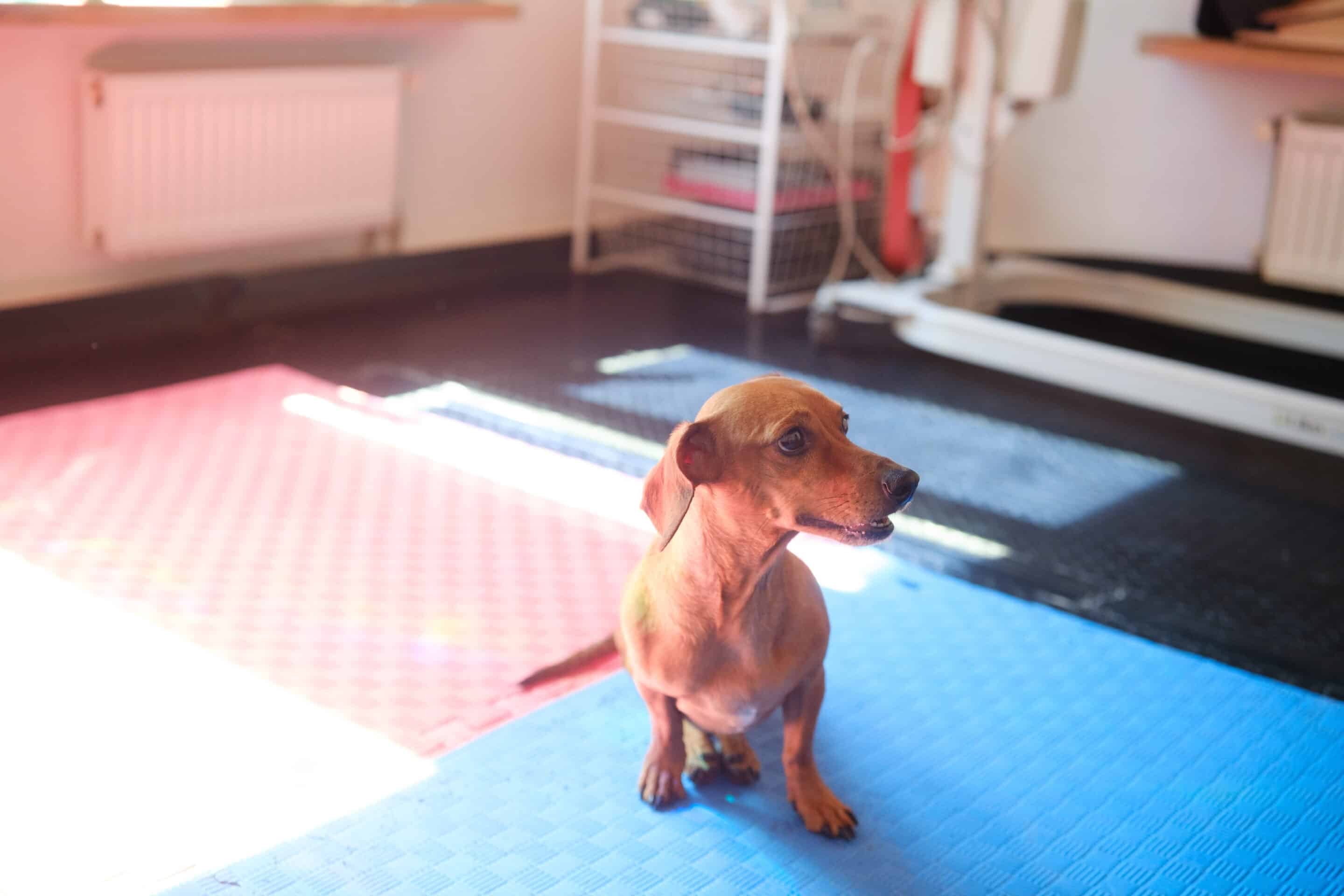
How Long Does Recovery Take After TPLO?
Every pet heals at their own pace, but here’s the general rhythm you can expect:
- First few days: Many pets start putting light weight on the leg surprisingly quickly.
- First two weeks: Swelling settles, and short, controlled leash walks begin.
- Six to eight weeks: Bone healing is typically far enough along for a recheck and updated activity guidance.
- Three to four months: Most pets are walking and playing normally, with high-impact activity still limited.
- Around six months: Most pets return to full, unrestricted activity.
These timelines are general guides, not guarantees. Your pet’s age, size, and overall health all play a role, and we’ll walk you through what to expect at every recheck.
What to Expect During Aftercare and Activity Restriction
The surgery itself is only half the story. What happens at home over the following weeks matters just as much. Here’s what we’ll ask of you:
- Strict confinement in a crate or small room when your pet isn’t directly supervised
- Leash-only walks, no off-leash time in the yard, no matter how good your pet feels
- No jumping, no stairs, and no rough play until the bone has fully healed
- Follow-up rechecks and X-rays to confirm healing is on track before we lift restrictions
For pets who need an extra push, we may also recommend rehabilitation support, such as laser therapy, to ease inflammation and speed the road back to full strength. We’ll tailor this to what your individual pet actually needs, not a generic checklist.
How Much Does This Procedure Cost?
We’ll be straightforward with you: the cost of TPLO depends on several factors, including your pet’s size, the severity of the injury, and the diagnostics required to build an accurate treatment plan. Because every case is different, we don’t publish a flat number, and honestly, any clinic that does is probably not accounting for your pet’s specific situation.
What we can promise is transparency. During a consultation, we’ll walk you through the full picture, what’s included, what to expect, and what your options are, so you’re never blindsided by a bill. If cost is a concern, ask us about financing options too. We want the decision about your pet’s health to be based on what’s right for them, not just what you can afford in a single payment.
Why Choose Magnolia Animal Hospital for Your Pet’s TPLO Care?
Not every clinic handles this kind of orthopedic care in-house, and that matters. When you choose Magnolia, Dr. Murdock is with your pet from the first exam through the final recheck, not a referral coordinator passing your file along to someone else’s office.
A few things that set our practice apart:
- In-house diagnostics, including digital X-rays and ultrasound, so decisions are based on real imaging, not assumptions
- A calm, low-stress environment designed to keep anxious pets (and their owners) more comfortable
- Honest, direct communication from Dr. Murdock at every step, including the parts that are hard to hear
- Tailored care plans built around your pet’s specific needs, not a rushed, assembly-line approach
Ready to Get Your Pet Back on Their Feet?
If your dog or cat is showing signs of a knee injury, please don’t wait for it to get worse. Magnolia Animal Hospital in Meridianville, AL is here to give your pet an honest evaluation, a clear treatment plan, and the kind of care that treats them like family, not a number on a schedule. Reach out today to book an appointment, and let’s get your best friend back to running, jumping, and living without pain.