
Veterinary Ultrasound in Meridianville, AL for Dogs and Cats
Magnolia Animal Hospital provides veterinary ultrasound for dogs and cats to help diagnose health concerns with clarity, compassion, and advanced technology. If your pet has symptoms that need a closer look, our team can use ultrasound imaging to evaluate internal organs and guide the next step in care. Schedule a diagnostic visit with Magnolia Animal Hospital so we can help you better understand what your pet needs.
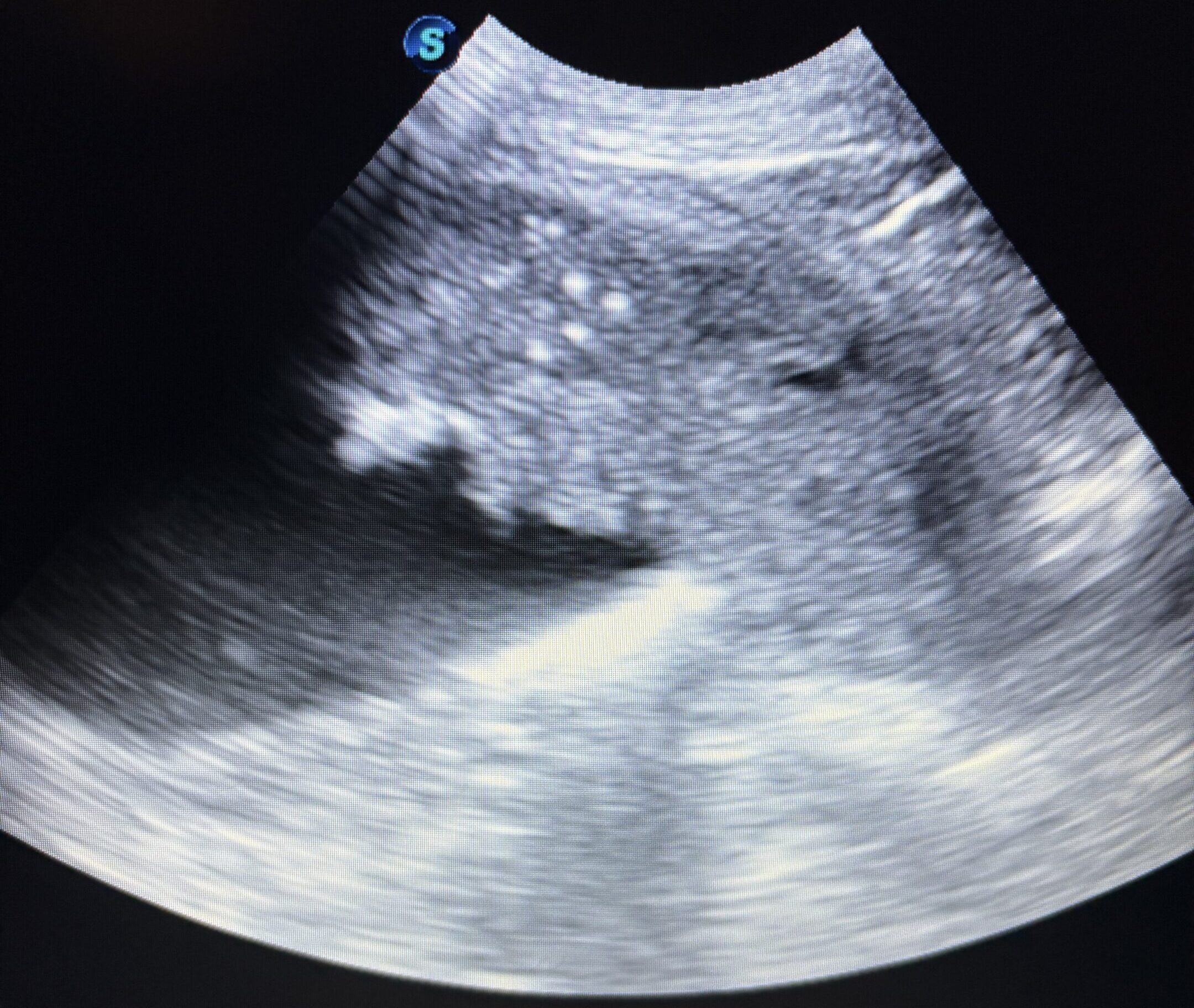
What Is Veterinary Ultrasound and Why Is It Recommended?
Veterinary ultrasound is a non-invasive form of diagnostic imaging that uses sound waves to create real-time images of soft tissue structures inside your pet’s body. Unlike imaging that uses radiation, ultrasound allows our veterinary team to examine internal organs, fluid, movement, and tissue patterns in a gentle and highly useful way.
A veterinarian may recommend an ultrasound when a physical exam, lab work, or digital X-rays do not provide the full picture. It can help us look deeper when a pet has unexplained symptoms or when we need more detail before recommending treatment.
When Would a Dog or Cat Need an Ultrasound?
A dog or cat may need an ultrasound exam when symptoms suggest that something may be happening internally. Pets cannot tell us where they hurt or what feels wrong, so diagnostic tools help us gather important information without relying on guesswork.
Your veterinarian may recommend an ultrasound if your pet has:
- Vomiting or diarrhea
- Loss of appetite
- Unexplained weight loss
- Abdominal pain or swelling
- Urinary issues
- Abnormal bloodwork
- Suspected masses or tumors
- Pregnancy evaluation needs
- Fluid in the abdomen
- Possible organ changes or inflammation
What Can a Veterinary Ultrasound Detect in Dogs and Cats?
A pet ultrasound can help evaluate soft tissue structures that may not be fully visible with other diagnostic tools. It is commonly used to examine abdominal organs and identify changes that may require treatment, monitoring, or additional testing.
Veterinary ultrasound may help evaluate the:
- Liver
- Spleen
- Kidneys
- Bladder
- Stomach and intestines
- Pancreas
- Reproductive organs
- Abdominal masses
- Fluid buildup
- Some foreign material
- Pregnancy
- Certain urinary concerns
What Is the Difference Between a Pet Ultrasound and an X-Ray?
Pet ultrasound and digital X-rays are both valuable diagnostic tools, but they show different types of information. X-rays are often helpful for evaluating bones, joints, the chest, some dental concerns, and certain foreign objects. Ultrasound is often better for examining soft tissues, organ texture, fluid, and movement.
Why Your Veterinarian May Recommend Ultrasound, X-Rays, or Both
Magnolia Animal Hospital offers both digital radiology and ultrasound imaging because each tool plays a different role. In some cases, X-rays may be the best first step. In others, ultrasound may provide more detail. Sometimes both are recommended so we can build a more complete picture of your pet’s health.
Our goal is not to overcomplicate care. It is to use the right information at the right time, then explain what we find in a way that makes sense.
How Should I Prepare My Dog or Cat for an Ultrasound Appointment?
Preparation depends on your pet’s symptoms and the type of ultrasound being performed. Our team will let you know if your pet needs any specific instructions before the visit.
You may be asked to:
- Follow fasting instructions if recommended
- Bring current medications or recent medical records
- Share changes in appetite, energy, bathroom habits, or behavior
- Keep your pet as calm as possible before the appointment
- Arrive on time so we can complete any needed evaluation first
Clear Instructions Before Diagnostic Imaging
We know it can feel stressful when your pet needs testing. That is why we focus on proactive communication. If preparation is needed, we will explain what to do, why it matters, and what to expect when you arrive.
What Should I Expect During My Pet’s Ultrasound?
During your pet’s ultrasound appointment, our team may begin by reviewing symptoms, medical history, recent test results, and any concerns you have noticed at home. Your pet will then be gently positioned so we can capture the clearest images possible.
A small area of fur may need to be shaved so the ultrasound probe can make good contact with the skin. Ultrasound gel is applied to help create clear images, then the veterinarian uses the probe to examine the area of concern.
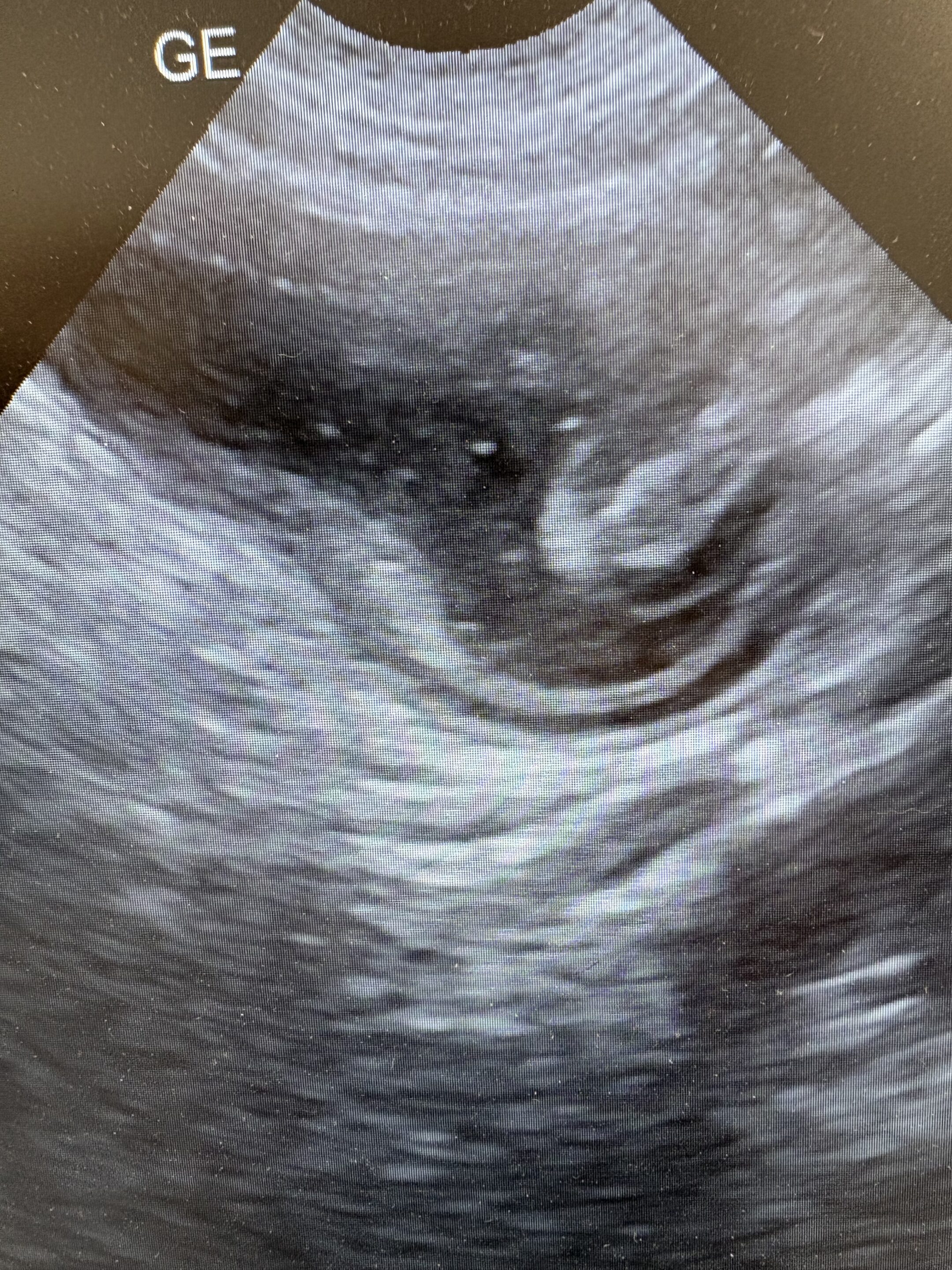
Is a Pet Ultrasound Painful or Stressful for Dogs and Cats?
A pet ultrasound is generally not painful. It is non-invasive, does not use radiation, and most pets tolerate the process well. Some pets may feel nervous because they are being positioned or handled, but our team works carefully to make the experience as calm as possible.
Patella issues are often seen in smaller dogs, but any dog with signs of knee instability should be examined. In some cases, monitoring, weight management, medication, or activity changes may be appropriate. In other cases, patella repair may be recommended to improve kneecap alignment, reduce discomfort, and support better movement.
During an evaluation, our team examines the knee, discusses your pet’s symptoms, and may recommend imaging to better understand the joint. From there, we can explain whether surgical correction, conservative care, or referral is the best next step.
How Long Does a Veterinary Ultrasound Take, and When Will I Get Results?
The length of a veterinary diagnostic imaging appointment can vary based on the area being examined, your pet’s condition, and whether additional testing is needed. Some findings may be discussed the same day, while other cases may require more review or follow-up testing.
Clear Results and Thoughtful Follow-Up
Many pet ultrasound appointments can be completed during a standard visit or diagnostic appointment, but timing depends on your pet’s needs. Our team will explain what we see, what it may mean, and whether additional testing or treatment is recommended. You will not be left guessing about the next step.
What Happens After My Pet’s Ultrasound If Something Abnormal Is Found?
If something abnormal is found during your pet’s ultrasound, our veterinarian will walk you through the findings and explain the most appropriate next steps. Sometimes an abnormal finding requires treatment. Other times, it may call for monitoring, additional diagnostics, or a referral.
Depending on your pet’s situation, we may recommend:
- Bloodwork
- Urinalysis
- X-rays
- Monitoring
- Medication
- Surgery
- Referral to a specialist
- Follow-up imaging
- Biopsy or sample collection, if appropriate
How Much Does a Pet’s Ultrasound Cost?
The cost of a pet diagnostic ultrasound can vary depending on your pet’s symptoms, the area being examined, and whether additional testing is needed. A focused scan may differ from a more detailed abdominal evaluation, and some pets may need lab work, X-rays, or follow-up diagnostics as part of their care plan.
Why Choose Magnolia Animal Hospital for Your Pet’s Ultrasound?
Choosing the right veterinary team matters when your pet needs answers. Magnolia Animal Hospital combines modern diagnostic tools with a calm, compassionate approach that helps pets feel more comfortable and helps owners feel more informed.
Families choose our practice because we offer:
- Ultrasound imaging for dogs and cats
- Digital X-rays
- In-house lab testing
- Full-service veterinary clinic
- A calm, soothing clinic environment
- Clear communication and client education
- Individualized care plans
- Dr. Bryan Murdock’s experience in internal medicine, surgery, and comprehensive care
- Honest, empathetic recommendations
- Easy online booking
Schedule a Pet Ultrasound Appointement in Meridianville, AL
Magnolia Animal Hospital provides ultrasound care for dogs and cats with modern technology, honest communication, and a compassionate approach. Whether your pet has concerning symptoms or needs advanced diagnostic imaging, our team is here to help you move forward with clearer answers. Schedule your pet’s appointment in Merididanville with Magnolia Animal Hospital today.